
Water Quality Analysis
Report on Water Quality Analysis of R.O. Water Plants
As Part of Institutional Best Practice P.R. Government College (A), Kakinada
Conducted by the Department of Chemistry In Collaboration with District Level Water Testing Laboratory, O/o RWS & S Subdivision, Kakinada
1. TITLE OF THE ACTIVITY
Water Quality Analysis of R.O. Water Plants on Campus
2. NATURE OF THE ACTIVITY
Institutional Best Practice / Quality Sustenance Activity
3. ORGANIZING DEPARTMENT
Department of Chemistry, P.R. Government College (A), Kakinada
4. COLLABORATING AGENCY
District Level Water Testing Laboratory, O/o RWS & S Sub Division, Kakinada
5. VENUE / LOCATIONS COVERED
Tested R.O. plants at:
- 1 English Department
- 2 Botany Department
- 3 Arts Block
6. OBJECTIVE OF THE ACTIVITY
The objective of this activity was to ensure the quality, safety, and suitability of drinking water supplied through the R.O. water plants located in different parts of the college campus. The activity was undertaken as part of the institutional commitment towards health, hygiene, and quality maintenance, which forms an important component of the college’s best practices.
7. BACKGROUND AND NEED
Access to safe and clean drinking water is essential for maintaining the health and well-being of students, faculty, and staff. Since the R.O. water plants installed on campus are extensively used for drinking purposes, it becomes necessary to periodically assess the water quality parameters.
8. DESCRIPTION OF THE ACTIVITY
Water samples were collected from the R.O. plants located at the English Department, Botany Department, and Arts Block and submitted for analysis. The testing process included the examination of relevant physical and chemical parameters associated with potable water quality.
The initiative reflects the practical application of chemistry in day-to-day institutional welfare and demonstrates the department’s active role in campus health assurance.
9. OUTCOMES OF THE ACTIVITY
- Ensured regular monitoring of drinking water quality.
- Strengthened awareness regarding safe drinking water.
- Reinforced commitment towards student welfare.
- Promoted scientific validation in campus facilities.
- Established academic collaboration with government agencies.
10. RELEVANCE TO BEST PRACTICE
- ✅ Quality sustenance & campus welfare
- ✅ Health and hygiene maintenance
- ✅ Scientific approach to facilities
- ✅ Collaborative engagement
11. CONCLUSION
This activity highlights the department’s commitment to applying scientific knowledge for the welfare of the college community and strengthens the institution’s best practices in quality, health, and sustainability.
R.O. Plant Locations Along with Visuals
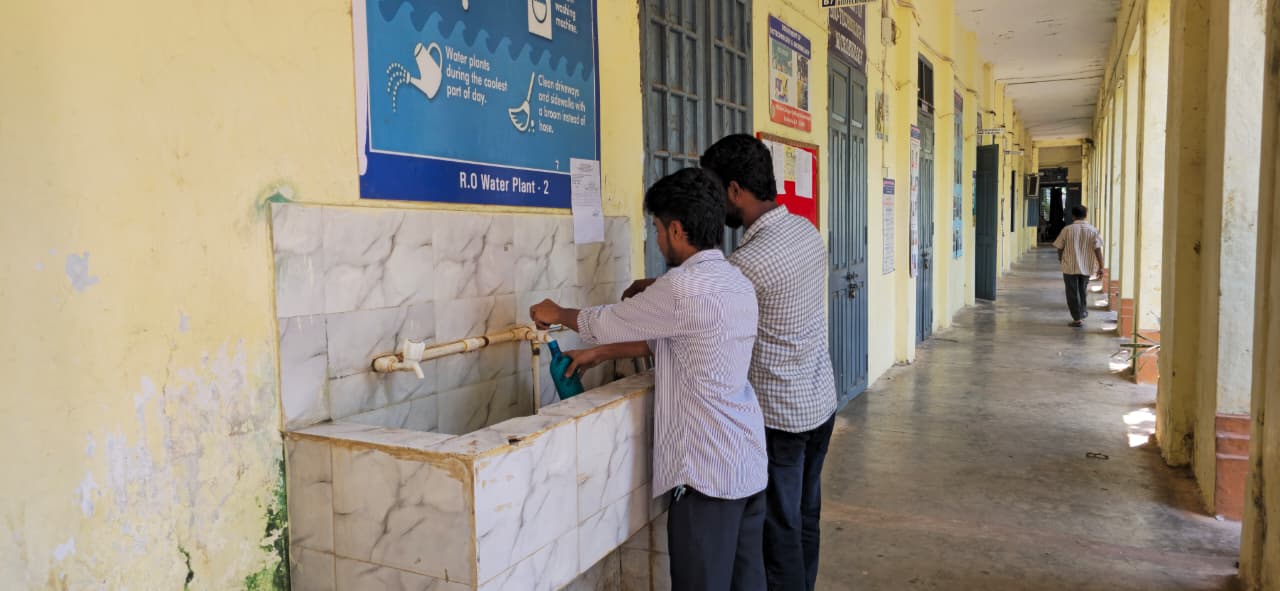
R.O plant at Botany Dept.
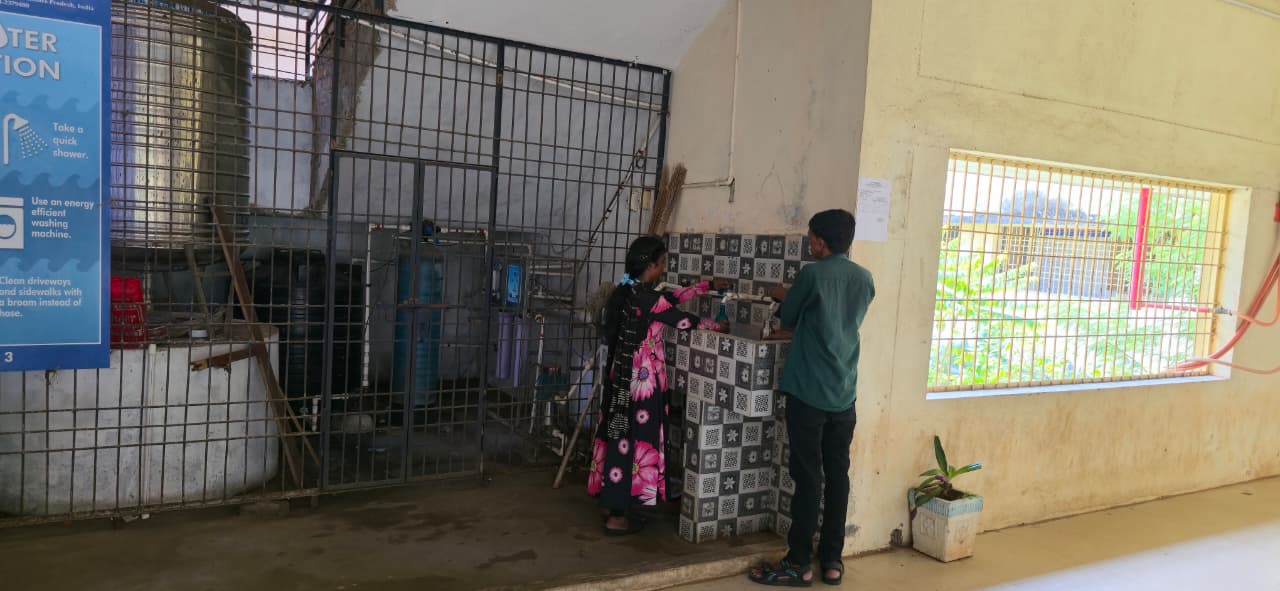
R.O plant at Arts Block
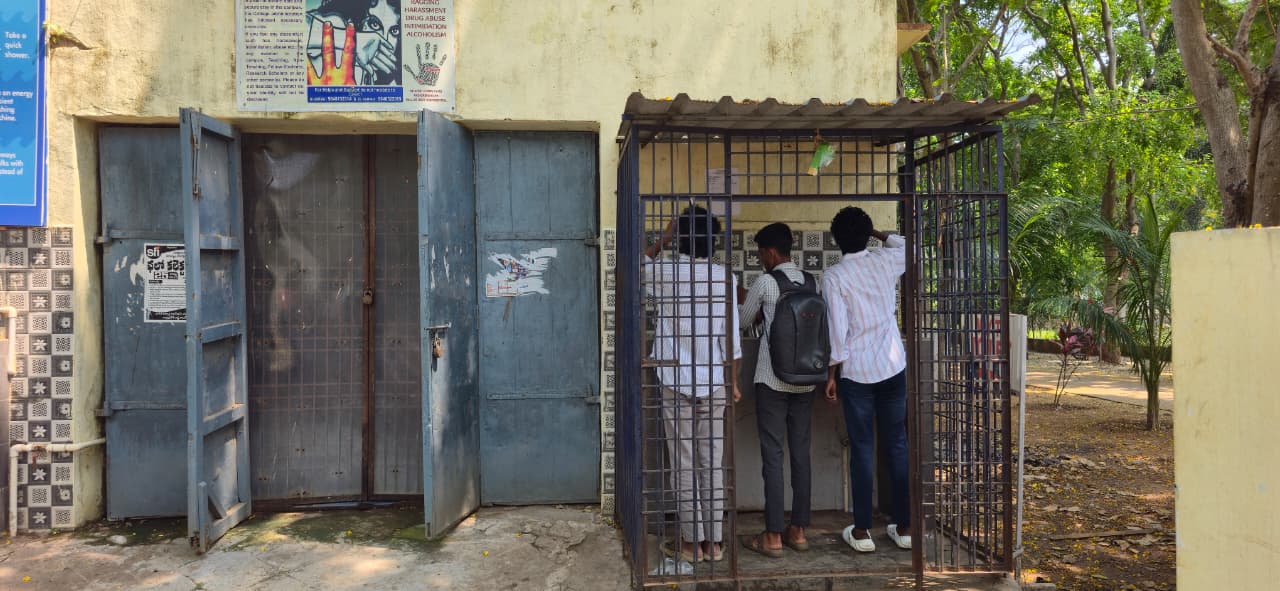
R.O plant at English Dept.